Timeless Truths: Guiding Our Journey Through 2025
Quotes about life are far more than just well-turned phrases; they are compact capsules of accumulated wisdom, distilled from countless experiences across time. As we gaze forward, perhaps contemplating the unfolding narrative of our lives and what a specific moment like October 5th, 2025, might represent, these profound insights offer invaluable perspective. They serve as gentle nudges, powerful affirmations, or even challenging questions that prompt us to reflect on our purpose, our resilience, and the ever-present beauty and complexity of the human experience.
These succinct expressions of philosophy and feeling can act as anchors in turbulent times or as beacons illuminating new paths. They encourage us to pause, consider deeply held values, and bravely embrace the journey ahead, whatever it may bring. From ancient philosophers to modern thinkers, the voices echoing through these quotes inspire us to live more intentionally, connect more deeply, and face each day, including those in the upcoming year of 2025, with a greater sense of awareness and appreciation for the adventure of life itself.
Life Quotes
Content about Life quotes (Auto-generated fallback due to API error).
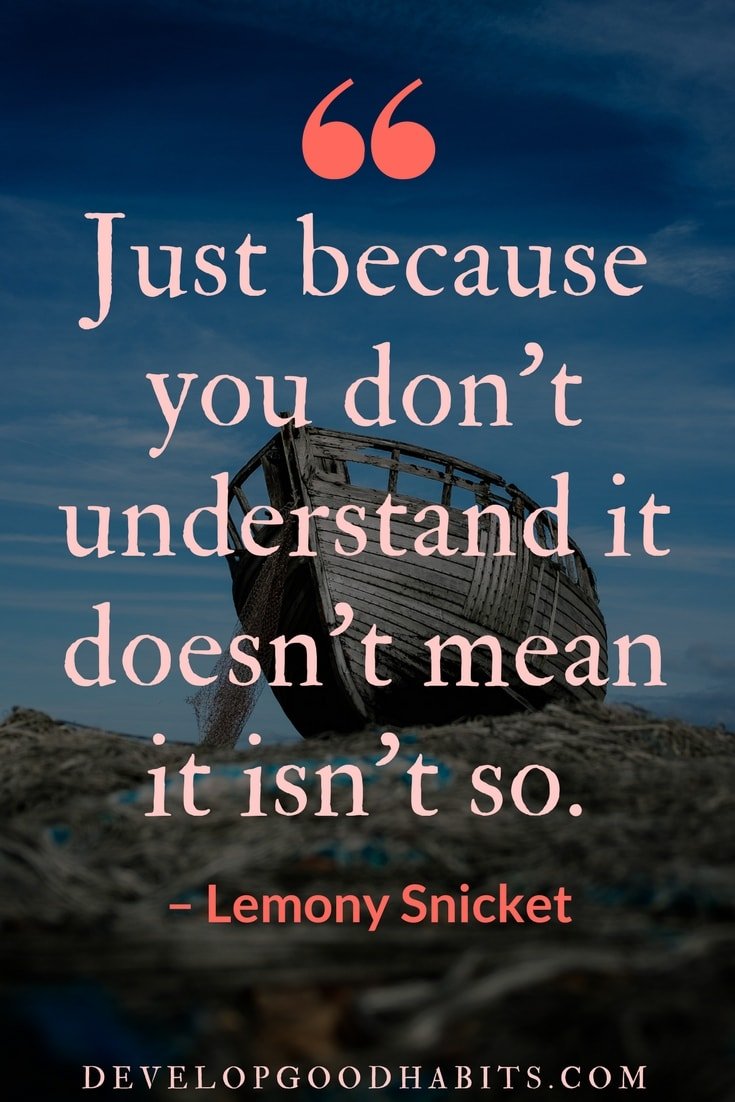
Ever feel like you're hearing the words but missing the meaning? That's where mining wisdom from quotations about understanding can be a game-changer. These snippets of insight can act as mental models, helping you navigate complex situations, improve relationships, and achieve deeper self-awareness.
At a glance:
- Discover how understanding others starts with understanding yourself.
- Learn to use empathy as a tool to strengthen connections and resolve conflicts.
- Explore how questioning assumptions can unlock new perspectives and foster innovation.
- Uncover the link between understanding, acceptance, and forgiveness, leading to inner peace.
- Get practical steps to cultivate understanding in your daily interactions.
The Mirror of Understanding: Self-Reflection First
Many quotations about understanding return to a central theme: you can't truly understand the world until you understand yourself. What motivates you? What are your biases? What are your triggers? This self-awareness is the bedrock upon which all other understanding is built.
Why is self-reflection so critical?
- Reduces Projection: Recognizing your own flaws makes you less likely to project them onto others. For example, if you know you're impatient, you're less likely to unfairly judge others for being slow.
- Increases Empathy: Understanding your own emotional responses helps you empathize with others' feelings, even if you don't share their experiences.
- Improves Communication: Knowing your own communication style allows you to adapt it to better connect with others.
How to Practice Self-Reflection:
- Journaling: Regularly write down your thoughts, feelings, and experiences. Analyze patterns and identify areas for growth.
- Mindfulness Meditation: Observe your thoughts and feelings without judgment. This can help you identify subconscious biases and triggers.
- Seek Feedback: Ask trusted friends, family, or colleagues for honest feedback about your behavior and communication style.
The Empathy Equation: Connection Through Understanding
Understanding isn't just about intellectual comprehension; it's about feeling. Empathy is the ability to step into another person's shoes, see the world from their perspective, and understand their emotions. This is especially powerful in resolving conflicts and building stronger relationships.
Example: Imagine a team member consistently missing deadlines. Instead of immediately criticizing them, try to understand their situation. Are they overwhelmed with other projects? Do they lack the necessary resources? Approaching the situation with empathy can lead to a more productive and collaborative solution.
Cultivating Empathetic Understanding:
- Active Listening: Pay close attention to what others are saying, both verbally and nonverbally. Ask clarifying questions and summarize their points to ensure you understand.
- Perspective-Taking: Consciously try to see the situation from the other person's point of view. What are their motivations, fears, and concerns?
- Emotional Validation: Acknowledge and validate others' feelings, even if you don't agree with their perspective. For example, you could say, "I understand why you're feeling frustrated."
Questioning Everything: The Engine of Understanding
Sometimes, the biggest obstacle to understanding is our own assumptions. We often operate on autopilot, accepting conventional wisdom without questioning it. However, true understanding requires a willingness to challenge assumptions, explore different perspectives, and embrace uncertainty. This relates closely to the ideas discussed in Quotes explained: Find clarity. Quotes explained: Find clarity
Why is questioning so important?
- Uncovers Hidden Biases: Questioning assumptions can reveal unconscious biases that are clouding your judgment.
- Promotes Critical Thinking: It forces you to analyze information and evaluate evidence, leading to more informed decisions.
- Fosters Innovation: Challenging the status quo can lead to new ideas and solutions.
How to Question Effectively:
- Identify Assumptions: Start by identifying the assumptions underlying your beliefs and opinions.
- Ask "Why?": Repeatedly ask "why" to dig deeper and uncover the root causes of your assumptions.
- Seek Alternative Perspectives: Research different viewpoints and consider the possibility that your assumptions are wrong.
Example: In a business context, questioning assumptions about target markets or marketing strategies can lead to innovative approaches and increased success. Don't assume your product appeals to a certain demographic; test your hypothesis and adapt as needed.
Acceptance and Forgiveness: The Fruits of Understanding
Understanding often leads to acceptance and forgiveness. When you truly understand why someone acted a certain way, it becomes easier to let go of resentment and move forward. This is true both in personal relationships and in broader social contexts.
Understanding as a Bridge to Forgiveness:
- Reduces Blame: Understanding the factors that influenced someone's actions can reduce your tendency to blame them.
- Increases Compassion: It allows you to see the other person as a human being with their own struggles and challenges.
- Promotes Healing: Forgiveness is essential for healing emotional wounds and restoring relationships.
Example: If a friend betrays your trust, trying to understand their motivations (e.g., pressure from others, fear of failure) can help you forgive them and rebuild the relationship.
Practical Playbook: Cultivating Understanding in Daily Life
Turn theory into practice with these actionable steps:
- Set aside 15 minutes daily for self-reflection. Use a journal prompt like, "What assumptions am I holding about this situation?"
- In every conversation, consciously practice active listening. Paraphrase what the other person says to confirm your understanding.
- Before reacting to a situation that frustrates you, pause and ask yourself, "What might be the other person's perspective?"
- Read books or articles from different viewpoints. Broaden your understanding of diverse cultures, beliefs, and experiences.
- When faced with conflict, approach it with curiosity rather than judgment. Ask questions to understand the other person's needs and concerns.
Quick Answers: Common Questions About Understanding
- Isn't understanding just agreeing with someone? No. Understanding means comprehending their perspective, even if you disagree with it. It's about seeing the world through their eyes, not necessarily adopting their beliefs.
- How can I understand someone who is completely different from me? Focus on finding common ground. Look for shared values, experiences, or emotions. Ask open-ended questions and listen without judgment.
- Is it possible to understand everything? No. Understanding is a continuous process of learning and growth. There will always be things we don't understand, and that's okay. The key is to remain open to new perspectives and continue seeking knowledge.
- What if I try to understand someone, but they don't reciprocate? Focus on controlling what you can control: your own effort to understand. Even if the other person doesn't reciprocate, understanding them can help you navigate the relationship more effectively and protect yourself from emotional harm.
- How do I balance understanding with protecting my own boundaries? Understanding someone's motivations doesn't mean you have to accept harmful behavior. Set clear boundaries and enforce them, even if you understand why the other person is acting the way they are.
- Is there a difference between ‘understanding’ and ‘excusing’? Yes. Understanding explains why someone did something. Excusing implies forgiving or justifying the action. You can understand someone's actions without excusing them or condoning them.
Seeing the World Anew
By consciously applying these principles and reflecting on relevant quotations about understanding, you equip yourself with the tools to navigate complexity, strengthen relationships, and foster inner peace. The journey toward understanding is a lifelong pursuit, but the rewards are immeasurable. By embracing curiosity, empathy, and a willingness to question everything, you can unlock new perspectives and create a more compassionate and meaningful life.