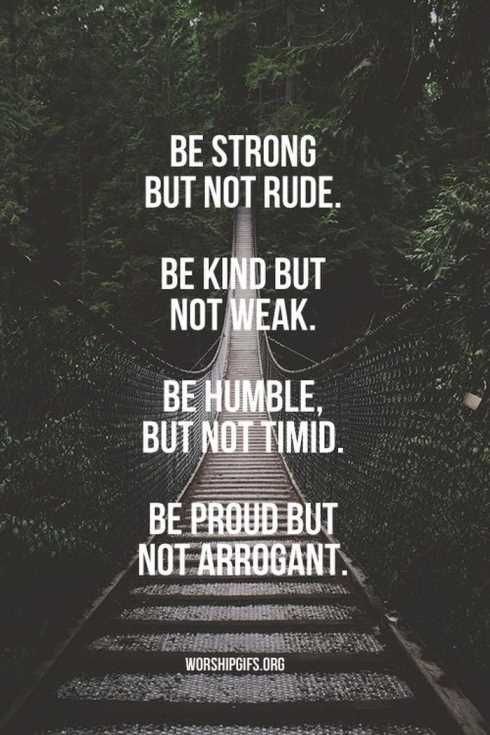
Framing Tomorrow: Quotes for Life in 2025
As we mark another specific point on life’s ever-unfolding calendar, perhaps a date like October 5, 2025, it’s a wonderful moment to pause and consider the wisdom that guides us. While the world continually evolves, bringing new challenges and unprecedented opportunities, the fundamental questions about existence, purpose, and happiness remain much the same. This is where the enduring power of life quotes truly shines, offering beacons of insight that cut through the noise of any given era. They serve not just as historical artifacts, but as living advice, ready to illuminate our path forward, no matter what innovations or social shifts the future may hold.
These meticulously crafted phrases, born from profound personal experience or deep philosophical thought, provide a universal language for the human condition. They remind us that joy, sorrow, struggle, and triumph are shared experiences across generations and cultures. Whether seeking inspiration to overcome an obstacle, a quiet moment of reflection, or a fresh perspective on a complex decision, turning to the collective wisdom of humanity through these simple yet powerful words can be incredibly enriching. They equip us with mental frameworks to approach even a seemingly arbitrary future date like 20251005 with greater clarity, resilience, and a deeper appreciation for the journey itself.
Life Quotes
Content about Life quotes (Auto-generated fallback due to API error).
Ever felt your worth diminished by external pressures or fleeting trends? We all have. Finding and internalizing your inherent value acts as a compass, guiding decisions and bolstering resilience. Exploring powerful quotes on value of person can provide clarity and motivation to live a more purposeful life. Ultimately, recognizing this value empowers you to navigate challenges and cultivate meaningful connections.
At a glance:
- Discover how assessing subjective vs. intrinsic value impacts self-perception.
- Learn to identify actions you can take to increase your sense of value.
- Understand how to leverage impact and legacy to live a purpose-driven life.
- Debunk common misconceptions about self-worth and external validation.
- Craft a personalized "value statement" to guide daily decisions.
Intrinsic vs. Subjective: Defining Your Worth
One of the biggest hurdles in understanding your value lies in differentiating between intrinsic and subjective worth. Intrinsic value suggests inherent worth - that simply by existing, you possess unquestionable value. Seth Adam Smith's quote, "Every human life is precious," embodies this principle. In contrast, subjective value hinges on external factors – achievements, possessions, or the opinions of others. Henry David Thoreau famously stated, "There is no value except what you choose to place upon it."
The key is to strike a balance. Acknowledge your intrinsic worth as a foundation. Remind yourself that your core value remains constant, independent of external validation. Then, focus on actions and contributions that add to your subjective value – skills learned, relationships nurtured, kindness offered. This process builds a robust sense of self-worth that’s less vulnerable to external fluctuations.
For example, consider someone downsized from their job. A focus on subjective value ("I'm worthless because I'm unemployed") leads to despair. An understanding of intrinsic value ("I am still valuable as a human being") provides a bedrock for rebuilding and seeking new opportunities.
Impact & Contribution: Living a Life That Matters
Many quotes on value of person underscore the importance of contributing to something larger than oneself. Michel de Montaigne put it succinctly, "The value of life lies in the use we make of our days." This isn't about grand gestures; it's about the consistent, small acts of kindness, support, and positive influence that ripple outwards.
Practical Application:
- Identify your unique strengths: What are you good at? What do you enjoy doing?
- Connect your strengths to a need: How can you use your strengths to help others, solve a problem, or create something positive?
- Take consistent action: Even small contributions, when done regularly, create a significant impact over time.
Consider a software developer who volunteers their skills to build a website for a local animal shelter. The developer's technical skills (strength) address the shelter's need for increased visibility (need), resulting in more adoptions (impact). The incremental time spent volunteering quickly compounds over time.
Personal Growth: Investing in Your Value
Continual learning and self-improvement are powerful ways to enhance your sense of value. As Jim Rohn aptly stated: "The major value in life is not what you get but what you become." Investing in yourself – whether through education, skill development, or personal exploration – demonstrates self-respect and unlocks new potentials.
Steps to Personal Growth:
- Identify areas for improvement: Be honest with yourself about your weaknesses and areas where you want to grow.
- Set realistic goals: Break down large goals into smaller, manageable steps.
- Embrace challenges: View obstacles as opportunities for learning and growth.
- Seek feedback: Ask trusted friends, family members, or mentors for constructive criticism.
- Celebrate your progress: Acknowledge and appreciate your accomplishments, no matter how small.
For example, someone who struggles with public speaking might join a Toastmasters club, attend workshops, and practice regularly. Each step, each speech, contributes to their growth and strengthens their confidence, increasing their sense of value.
Interconnectedness: Recognizing Value in Others
Our value is inextricably linked to the value we place on others. Deepak Chopra reminds us that "What is given multiplies." Showing love, friendship, compassion, and even indignation against injustice demonstrates our commitment to the well-being of others and reinforces our own sense of worth. One's life has value so long as one attributes value to the life of others: through love, compassion and so on.
Building Interconnectedness:
- Practice empathy: Try to understand the perspectives and feelings of others.
- Offer support: Be there for friends, family, and even strangers in need.
- Express gratitude: Acknowledge and appreciate the contributions of others.
- Stand up for what's right: Advocate for justice and equality.
- Cultivate meaningful relationships: Invest time and energy in building strong connections with others.
For example, volunteering at a soup kitchen not only provides meals for those in need but also fosters a sense of connection and purpose for the volunteer. The act of giving amplifies the value felt by both the giver and the receiver.
Time, Effort, and the Price of Value
Henry David Thoreau’s quote, "The price of anything is the amount of life you exchange for it," underscores that our time and energy are precious resources. How we choose to spend them directly impacts our sense of value. Wasting time on unproductive activities can lead to feelings of emptiness, while investing it in meaningful pursuits enhances our self-worth. A man who dares to waste one hour has not discovered the value of life.
Practical Time Management:
- Prioritize activities: Identify the most important tasks and focus on them first.
- Eliminate distractions: Minimize interruptions and create a focused work environment.
- Delegate when possible: Entrust tasks to others to free up your time for more important activities.
- Schedule downtime: Allocate time for rest and relaxation to prevent burnout.
- Reflect on your time usage: Regularly assess how you're spending your time and make adjustments as needed.
For example, someone who consistently spends hours scrolling through social media might decide to allocate that time to learning a new skill or pursuing a hobby, leading to a greater sense of accomplishment and value.
Finding Meaning Beyond the Surface
Ultimately, the journey of discovering your value is a deeply personal one. It requires introspection, honesty, and a willingness to challenge your own beliefs. As you navigate this path, remember to be kind to yourself, celebrate your strengths, and embrace your imperfections. You can find meaning in life by consistently choosing actions aligned with your values.
Quick Answers: FAQs on Value and Worth
Q: How can I stop comparing myself to others?
A: Focus on your own unique journey and accomplishments. Remember that everyone is on a different path, and comparison is the thief of joy. Instead of comparing, try to learn from others and celebrate their successes.
Q: What if I don't feel valuable right now?
A: Acknowledge your feelings, but don't let them define you. Focus on small, actionable steps you can take to improve your situation and build your confidence. Remember that even small acts of kindness and self-care can make a difference.
Q: Is it selfish to prioritize my own needs?
A: No. Self-care is essential for maintaining your physical and mental well-being. You can't effectively help others if you're not taking care of yourself. Prioritizing your needs allows you to be a more effective and compassionate person.
Q: How do I define my values?
A: Reflect on what's important to you. What principles guide your decisions? What kind of person do you want to be? Consider your passions, your relationships, and your goals. Write down your values and use them as a compass to guide your actions.
Q: What if my values conflict with those of others?
A: Respectfully acknowledge the differences, but stay true to your own values. You don't have to agree with everyone, but you can still treat them with kindness and respect. Learn to navigate disagreements constructively and find common ground where possible.
Your Personalized Value Playbook: A Quick Start
- Create a 'Values Inventory': List 5-7 core values that resonate deeply (e.g., integrity, creativity, service).
- Identify Related Behaviors: For each value, list 2-3 specific actions that demonstrate it. (e.g., "Integrity: Be honest in all communications, Follow through on commitments").
- Implement Daily Actions: Choose one action to focus on each day.
- Reflect Weekly: Review your progress and celebrate your successes. Adjust as needed.
By consistently aligning your actions with your values, you will cultivate a stronger sense of purpose and live a more meaningful life. Your personal value isn’t a static label; it’s a dynamic force shaped by your choices, contributions, and growth. Embrace the journey and live accordingly.