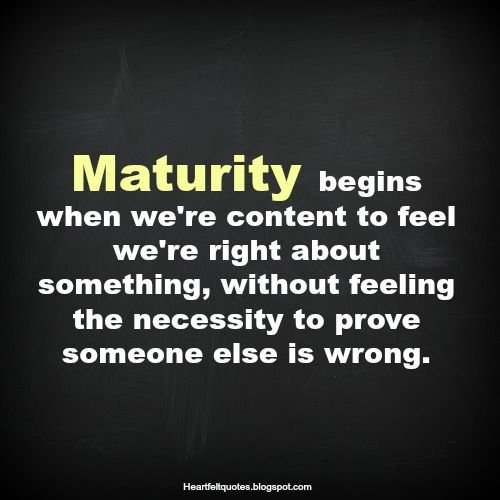
Unlocking Tomorrow: Life’s Wisdom for 2025-10-05
As we cast our gaze towards October 5th, 2025, it’s an opportune moment to consider the profound and enduring power of words. Life’s intricate journey is a tapestry woven with countless experiences, challenges, and joys, and often, it is through the distilled wisdom of others that we find clarity, comfort, and courage. Quotes are far more than mere sentences; they are potent beacons, illuminating complex human emotions and universal truths in concise, impactful ways. They offer us a crucial pause for reflection, a powerful jolt of motivation, or an entirely new perspective on familiar circumstances, serving as timeless companions on our ever-evolving path.
While the specific date of October 5th, 2025, marks a particular point in our future, the essence of life’s fundamental lessons remains eternal. Whether you are contemplating your purpose, learning to embrace inevitable change, or diligently seeking inner peace, there is undoubtedly a quote waiting to resonate deeply with your soul’s current quest. Engaging with these carefully crafted nuggets of wisdom allows us to tap into a rich collective consciousness, drawing strength and profound insight from brilliant minds across generations. Let these inspiring utterances be your guide, shaping your outlook and empowering your spirit not just for this specific day, but for every invaluable step you take towards the promising horizons of tomorrow.
Life Quotes
Content about Life quotes (Auto-generated fallback due to API error).
For the bigger picture and full context, make sure you read our main guide on Quote About Growing Up and Maturity: Priceless Life Lessons.
markdown
We've all heard sayings about maturity – "act your age," "grow up," or the classic, "wisdom comes with age." But what do these well-worn phrases actually mean? It's more than just birthdays. Maturity is a process, a journey of self-discovery and responsibility that shapes who we are. It’s about navigating life's complexities with grace and understanding.
At a glance:
- Understand that maturity is a choice, not an automatic outcome of aging.
- Learn to identify key qualities that define maturity, such as empathy and self-awareness.
- Discover practical steps you can take today to cultivate greater maturity in your own life.
- Debunk common myths about maturity and aging.
- Grasp how sayings about maturity can provide guidance, but shouldn't be taken as rigid rules.
Beyond the Birthday Cake: Defining True Maturity
Age is a number, but maturity is a state of mind. It's about how we handle challenges, interact with others, and understand ourselves. Saying about maturity often center around the idea of becoming a better version of yourself. So, what does that really look like?
Think about it: someone can be 60 years old and still throw tantrums, while a 25-year-old might handle difficult situations with remarkable poise. It's not the years, it's the lessons learned and how they’re applied.
Here are some key characteristics that define true maturity:
- Objectivity: Seeing situations and people for who they are, both good and bad, without letting emotions cloud your judgment.
- Responsibility: Taking ownership of your actions and their consequences.
- Self-Awareness: Understanding your own strengths, weaknesses, and motivations.
- Emotional Control: Managing your emotions, especially anger and frustration, in a healthy way.
- Resilience: Bouncing back from setbacks and learning from your mistakes.
- Empathy: Understanding and sharing the feelings of others.
Untangling Maturity Sayings: What They Really Imply
Many sayings about maturity offer a glimpse into the qualities we should strive for. Let's break down some common ones:
- "Act your age": This isn't about conforming to stereotypes; it's about behaving in a way that is appropriate for your level of experience and understanding. A child might throw a tantrum when they don't get their way, but a mature adult finds a constructive solution.
- "Grow up": Often used dismissively, but at its core, it's a call to take responsibility and stop blaming others for your problems.
- "Wisdom comes with age": While experience can certainly lead to wisdom, it's not automatic. It's about reflecting on those experiences and learning from them. Grow wiser with age.
- "You'll understand when you're older": Sometimes true, sometimes a cop-out. It acknowledges that certain perspectives require time and experience to develop, but it shouldn't be used to dismiss valid concerns.
- "That's a mature thing to do": This usually refers to demonstrating patience, understanding, and a willingness to compromise in difficult situations.
Building Blocks of Maturity: Practical Steps You Can Take
Maturity isn't something you magically acquire; it's something you actively cultivate. Here are some practical steps you can take to foster greater maturity in your own life.
- Practice Self-Reflection: Regularly examine your thoughts, feelings, and actions. Ask yourself:
- What are my strengths and weaknesses?
- What triggers my emotions?
- How can I improve my reactions in challenging situations?
- Am I consistently blaming others or taking ownership?
- Embrace Responsibility: Own your choices and their consequences. Don't make excuses or shift blame. If you make a mistake, admit it, apologize, and learn from it.
- Cultivate Emotional Regulation: Learn to manage your emotions in a healthy way. This might involve practicing deep breathing exercises, journaling, or seeking therapy.
- Develop Empathy: Put yourself in others' shoes and try to understand their perspectives. Even if you don't agree with them, you can still acknowledge their feelings.
- Prioritize Long-Term Values: Learn to delay gratification and focus on your long-term goals. This means making choices that align with your values, even when they're not the easiest or most immediately rewarding.
- Seek Continuous Learning: Stay curious and open to new experiences. Read books, take courses, travel, and engage in conversations with people who have different perspectives.
- Practice Active Listening: Pay attention when others are speaking, and try to understand their point of view before formulating your response.
- Help Others: Serving and helping others is a great way to improve your emotional maturity. Challenge yourself and improve then take that experience to help others.
- Embrace Self-Awareness: Embrace that the only person you should try to be better than is the person you were yesterday.
- Stop Blaming the World: stop blaming the world, because your misery is your own fault.
The Maturity Playbook: Turning Theory Into Action
Here's a simple decision tree to help you navigate situations with greater maturity:
- Identify the Situation: What's happening? Who is involved?
- Acknowledge Your Emotions: How are you feeling? Are your emotions clouding your judgment?
- Consider the Consequences: What are the potential outcomes of your actions?
- Choose Your Response: Select the response that is most aligned with your values and long-term goals.
Example:
- Situation: A colleague takes credit for your idea in a meeting.
- Emotion: Anger, frustration.
- Consequences: Confrontation could damage the working relationship. Ignoring it could lead to future exploitation.
- Mature Response: Calmly and professionally state, "That's an interesting way to frame it, [Colleague's Name]. I actually had that idea during our brainstorming session last week..."
Case Snippet: From Reacting to Responding
Sarah, a project manager, used to react defensively whenever she received negative feedback. She'd get angry, argue with her boss, and ultimately damage her reputation. After realizing that her reactions were hindering her career, she began practicing self-reflection. She started journaling to identify her triggers and develop strategies for managing her emotions.
Now, when Sarah receives negative feedback, she takes a deep breath, listens carefully, and asks clarifying questions. She acknowledges the validity of the feedback and focuses on finding solutions. This shift in behavior has not only improved her relationships with her colleagues but has also made her a more effective leader.
Common Pitfalls to Avoid
- Confusing Maturity with Perfection: Nobody is perfect. Maturity isn't about being flawless; it's about learning from your mistakes and striving to do better.
- Suppressing Emotions: Maturity isn't about bottling up your feelings; it's about expressing them in a healthy and constructive way.
- Being a People-Pleaser: Maturity isn't about trying to make everyone happy; it's about being true to yourself and standing up for what you believe in. A sign of maturity is caring more about being respected than being liked; respect is deeper, not shallow.
Quick Answers: Addressing Common Questions About Maturity
Q: Is maturity solely based on age?
A: Absolutely not. While life experiences contribute to maturity, it's a continuous process of learning and growth that isn't tied to a specific age. Someone can be older and still lack maturity.
Q: Can you be "too mature"?
A: It's less about being too mature and more about striking a balance. Suppressing emotions or being overly serious all the time isn't healthy. Maturity includes knowing when to be playful and when to be serious.
Q: How can I tell if I'm becoming more mature?
A: You might notice yourself reacting more calmly in stressful situations, taking responsibility for your actions, and having more empathy for others. You will also find that you are improving yourself more often than changing the world. These are all signs of growth.
Q: What if I slip up and act immaturely?
A: It happens to everyone! What matters is that you acknowledge your mistake, learn from it, and strive to do better next time. Resilience is key.
Embracing the Journey
Maturity is a lifelong journey, not a destination. It's about embracing challenges, learning from your mistakes, and striving to become the best version of yourself. It's a process of self-discovery and continuous improvement – understanding that the world does not revolve around oneself and striving to make a positive impact. It entails understanding that the world does not revolve around oneself and striving to make a positive impact. So, instead of just passively accepting sayings about maturity, actively embody them. Put them into practice, and watch yourself grow. It's about self-improvement, not changing the world; changing yourself.