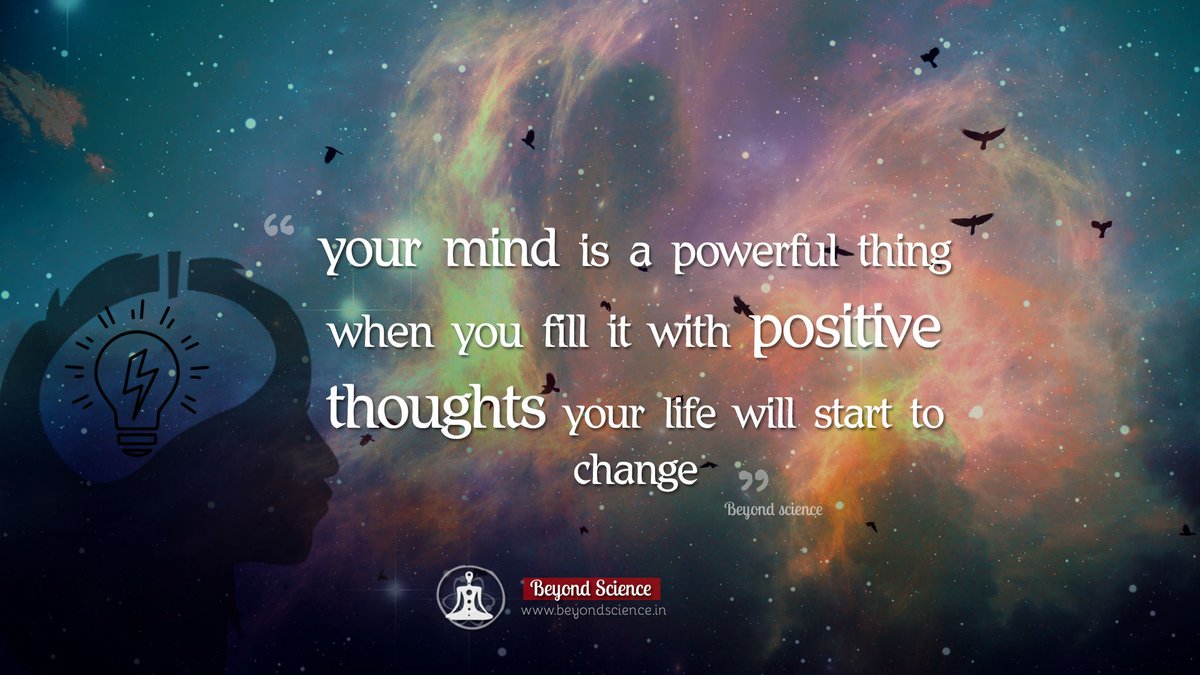
Quotes About Life20251005
Content about quotes about life20251005 (Auto-generated fallback due to API error).
Life Quotes
Content about Life quotes (Auto-generated fallback due to API error).
Ever stop to consider how much power resides in the simple act of thinking? Well thought quotes are more than just words; they're concentrated bursts of insight that can alter your perspective and spark significant change. They act as mental shortcuts, distilling complex ideas into easily digestible nuggets of wisdom.
At a glance:
- Discover how "well thought quotes" can be catalysts for personal growth and better decision-making.
- Learn to identify and internalize quotes that resonate with your unique challenges and aspirations.
- Explore practical strategies for using these quotes to cultivate a more positive and productive mindset.
- Understand the critical role of reflection in translating quotes into meaningful action.
- Address common misconceptions about the power of quotes and their practical application in daily life.
The Untapped Potential of Mental Fuel
We often underestimate the profound impact our thoughts have on our lives. The right thought, delivered at the right moment – often packaged neatly in well thought quotes – can be the key to unlocking a new level of understanding or motivation. It's about finding those mental "aha!" moments that shift your perspective and inspire you to take action.
Decoding Quotes: From Inspiration to Action
Quotes, especially well thought quotes, are not magic spells. They require understanding and, most importantly, integration into your own thinking processes. It's not enough to simply read them; you need to reflect on them.
Step 1: Select Quotes That Resonate
The best approach is to compile a list of quotes that speak to you on a personal level. These might address challenges you're currently facing, goals you're striving towards, or values you hold dear.
Example: If you're struggling with procrastination, a quote like, "The best time to plant a tree was 20 years ago. The second best time is now,” might resonate deeply.
Step 2: Reflect and Internalize
Don't just skim the words. Take time to truly understand the meaning and implications of each quote. Ask yourself:
- What does this quote mean to me, specifically?
- How does it relate to my current situation?
- What actions can I take based on this insight?
Step 3: Integrate into Your Daily Life
Find ways to keep these quotes top of mind. This could involve:
- Writing them down in a journal.
- Setting them as reminders on your phone.
- Displaying them in a prominent place where you'll see them regularly.
Example: Place a quote about courage near your desk if you're facing a difficult project.
Positive Thinking vs. Blind Optimism: A Crucial Distinction
It’s important to distinguish between positive thinking (fuelled by well thought quotes) and blind optimism. Positive thinking acknowledges challenges but focuses on solutions and possibilities. Blind optimism ignores reality and can lead to disappointment. Positive thinking fosters ingenuity and originality, while negative thinking cripples imagination and creativity. "Positive thinking will let you do everything better than negative thinking will" (Zig Ziglar).
The Power of Reframing
One of the most impactful ways to use well thought quotes is to reframe negative thoughts into more positive and productive ones.
Example: Instead of thinking, "I'm not good enough," a quote like, "Every master was once a beginner," can help you reframe your thinking and focus on growth.
The Pitfalls of "Thinking" Without Action
Recall the maxim mentioned in Explore Thinking Phrases: thinking without action is worthless. It's easy to get caught up in a cycle of reading inspirational quotes without ever translating them into real-world change.
Overcoming Analysis Paralysis
Overthinking can be a major obstacle. To combat this, implement the "5-Second Rule" (Mel Robbins): When you have an impulse to act on a quote's inspiration, count down from 5 to 1 and then immediately take action. This can bypass the brain's tendency to overanalyze and procrastinate.
Example: If you read a quote about taking risks, identify one small risk you can take today.
Cultivating Critical Thinking with Quotes
Well thought quotes can also be valuable tools for stimulating critical thinking. Exposing yourself to diverse perspectives, even those that challenge your own beliefs, can broaden your understanding and help you make more informed decisions.
Encouraging Independent Thought
"If everyone is thinking alike, then no one is thinking" (Benjamin Franklin). Use quotes like this to remind yourself to question assumptions, challenge conventional wisdom, and form your own opinions.
Practical Playbook: Integrating Quotes for a Better Mindset
Here's a step-by-step guide to maximizing the impact of well thought quotes:
- Gather a Collection: Curate a collection of quotes that resonate with you on a personal level.
- Dedicated Reflection Time: Set aside 15-30 minutes each week to reflect on these quotes.
- Journaling: Write down your thoughts and insights about each quote.
- Action Planning: Identify specific actions you can take based on these insights.
- Accountability: Share your goals and progress with a friend or mentor.
- Regular Review: Revisit your quotes and action plans regularly to stay on track.
Navigating the "Quote Minefield": Avoiding Misinterpretation
It's possible to misinterpret quotes or take them out of context. Always consider the source and the original intent behind the words. Don't blindly accept everything you read; think critically and apply quotes thoughtfully.
The Dangers of Cherry-Picking
Avoid cherry-picking quotes to support pre-existing biases. Seek out diverse perspectives and be willing to challenge your own beliefs. Open-mindedness is important to see things in new ways.
Well Thought Quotes - Quick Answers
Here are some common questions and misconceptions about the power of quotes:
Q: Can quotes really change my life?
A: Yes, but only if you actively integrate them into your thinking and behavior. Quotes are tools, not magic spells.
Q: How do I find quotes that truly resonate with me?
A: Explore different sources, such as books, articles, podcasts, and conversations with people you admire. Pay attention to the quotes that evoke a strong emotional response or offer a new perspective.
Q: What if I disagree with a quote?
A: That's perfectly fine! Use it as an opportunity to explore your own beliefs and values. Disagreement can be a powerful catalyst for self-discovery.
Q: Is there a risk of becoming too reliant on quotes?
A: Yes. Quotes should be used as guides, not crutches. Develop your own independent thinking skills and avoid simply parroting the words of others.
A Starting Point for Change
Well thought quotes provide a springboard for personal growth and a richer mindset, but the real work lies in the application. Start small, be consistent, and focus on making meaningful changes in your own life. Now, take a minute to reflect on one quote that has always resonated with you. How can you apply it to your life today?